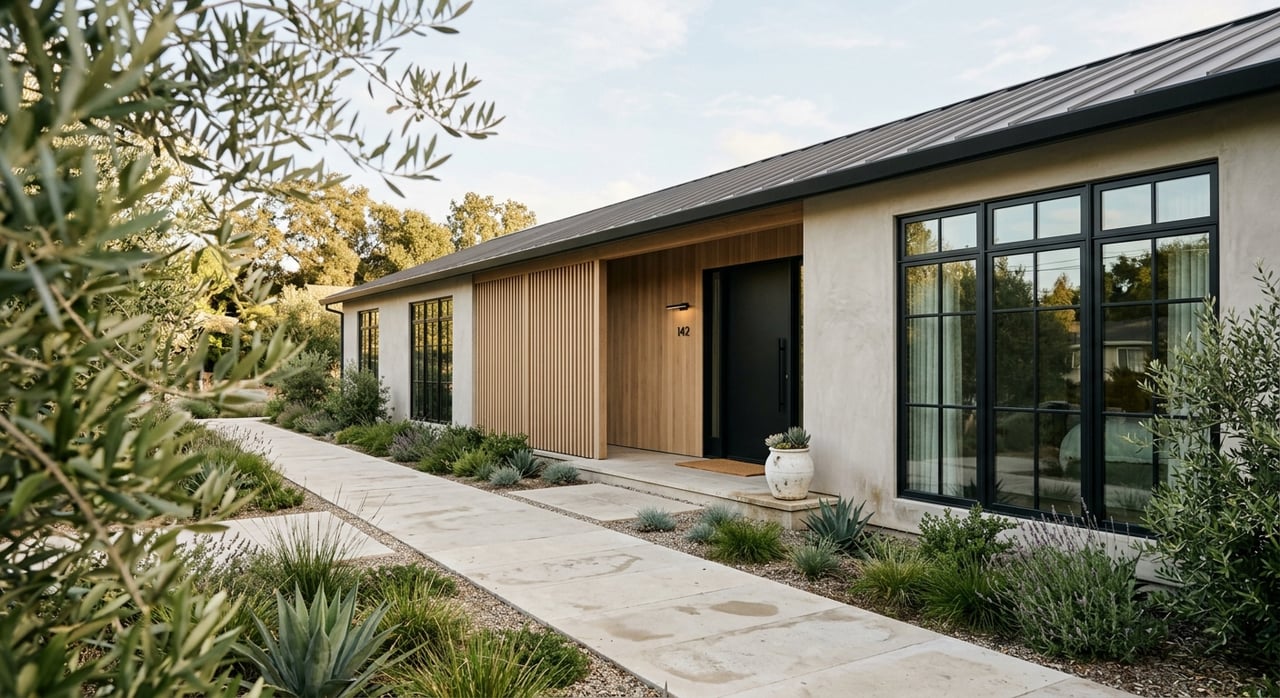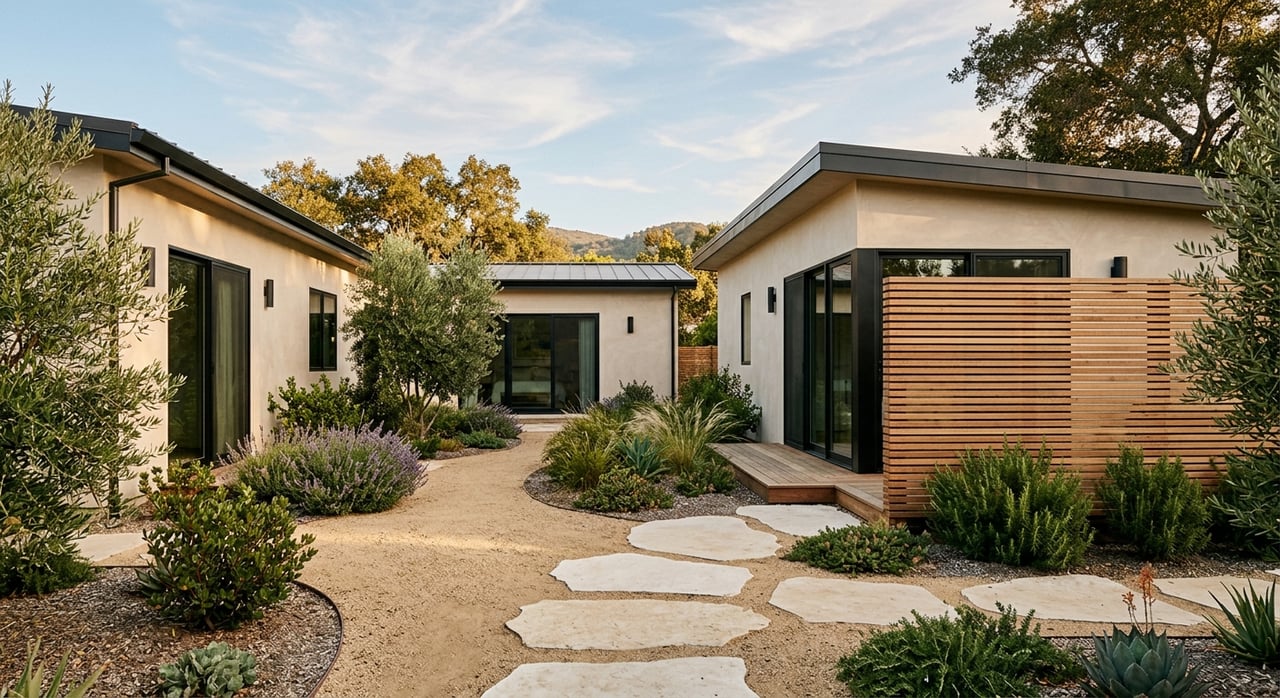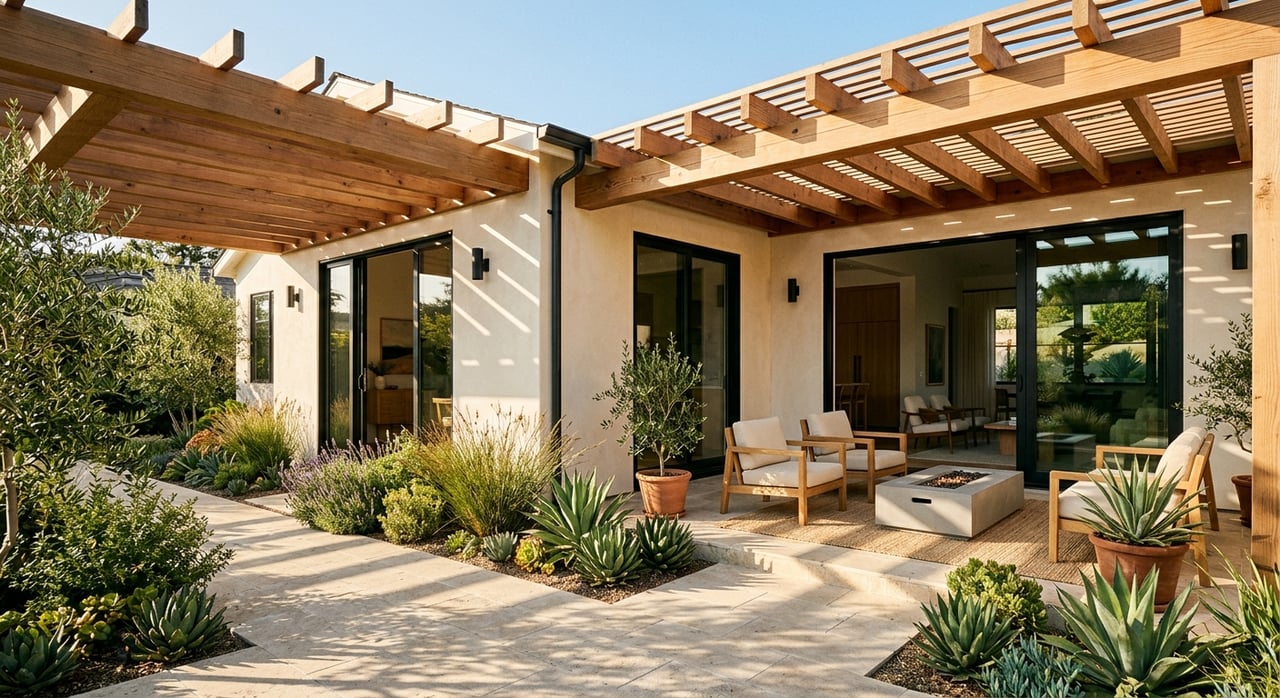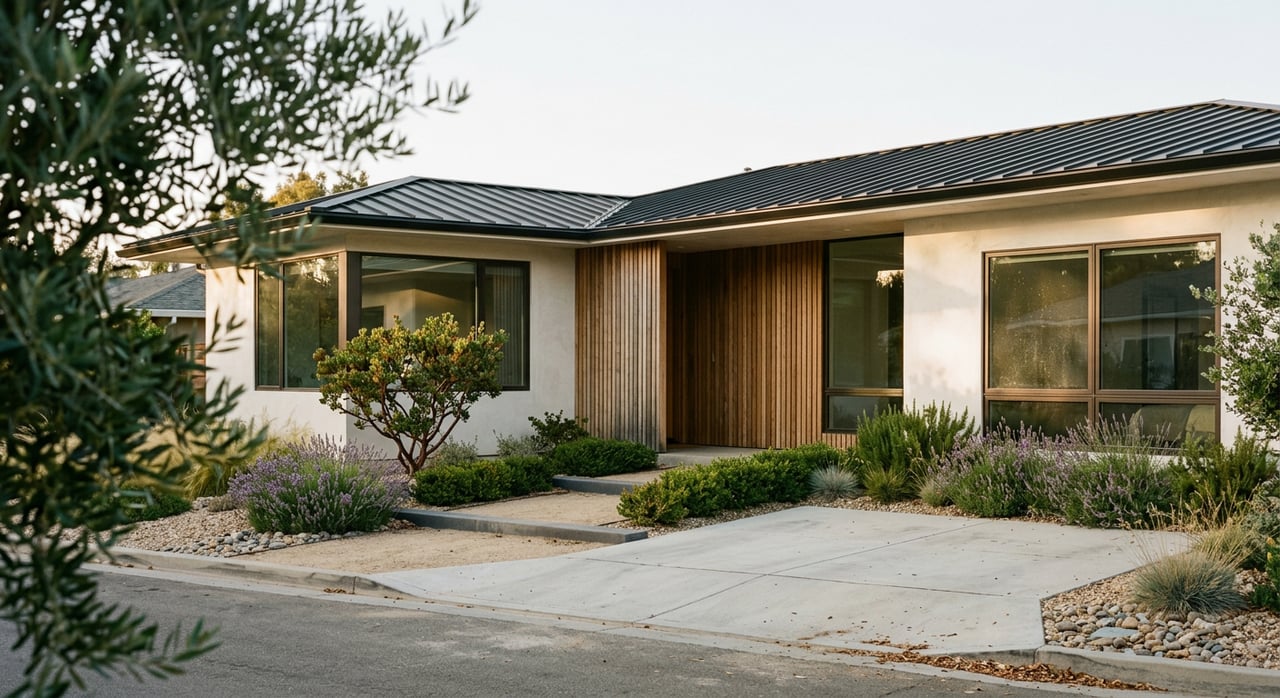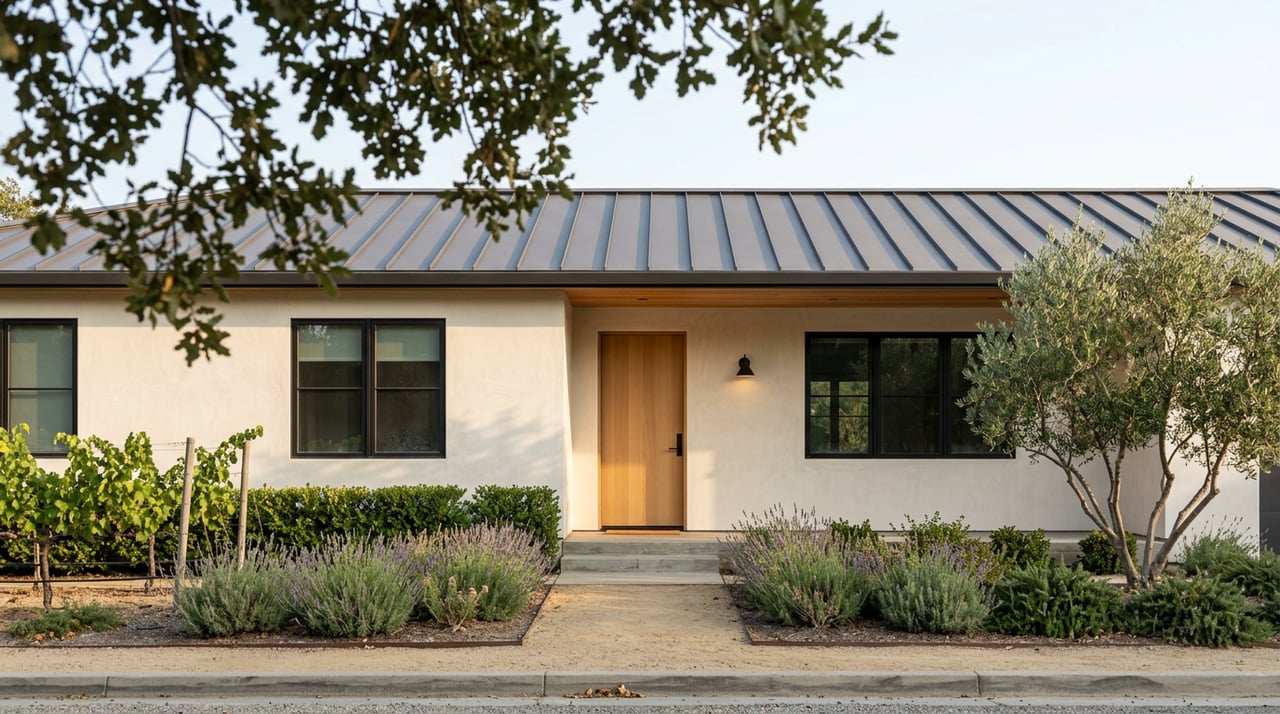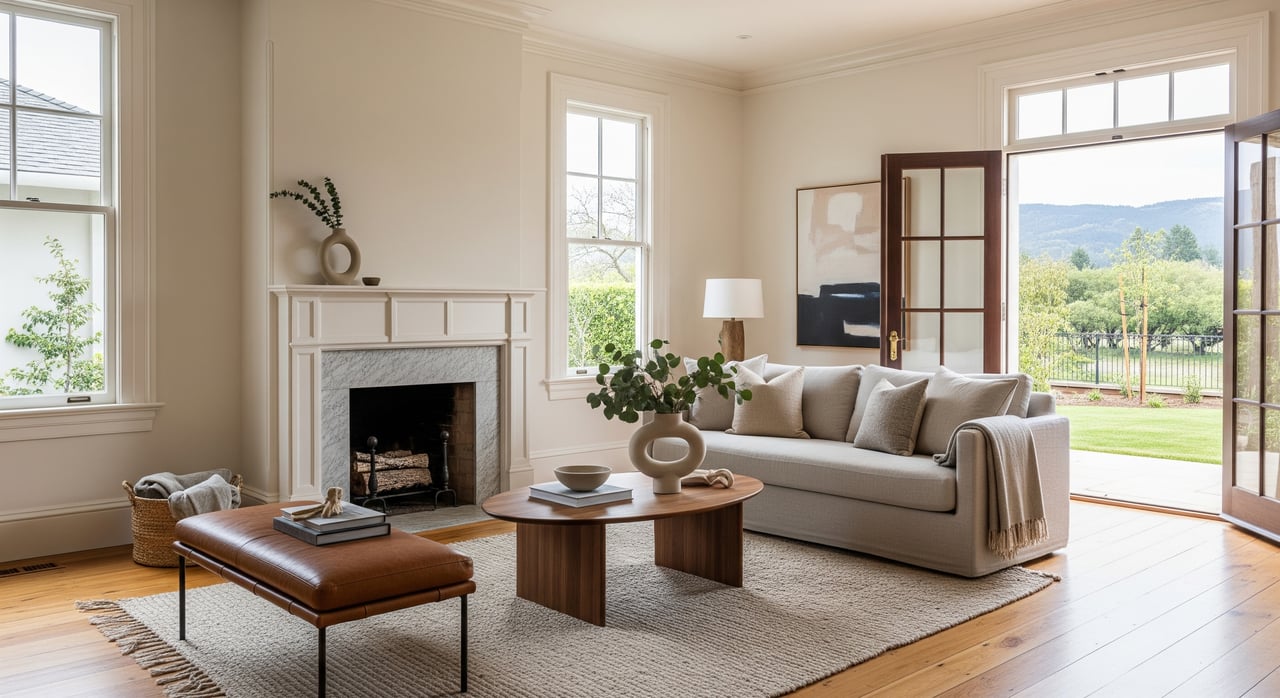
A Sonoma Coast home that has hosted guests for years can come with a booking calendar, glowing reviews, a cleaning crew and a binder of tax receipts. Under Sonoma County's coastal ordinance, it doesn't come with the right to keep renting. When the deed changes hands, the seller's vacation rental permit ends automatically. If the home was a "legacy" rental with no permit at all, that exemption ends too. The buyer applies fresh, as if the house had never had a guest.
That changes how you should read a coastal listing. The rental history in the marketing packet shows what the seller was allowed to do. Whether you can do it is a separate question, decided after you close.
The two lines that matter
According to a 2024 Permit Sonoma status report to the Board of Supervisors, the Board adopted vacation rental rules for the Coastal Zone on September 26, 2023, and the California Coastal Commission unanimously certified them on April 11, 2024. Those rules brought Bodega Bay, Jenner, Timber Cove, The Sea Ranch and the rest of the unincorporated coast under the same permit requirements and standards as the inland county.
Two lines in the ordinance text for Section 26C-325.10 settle the transfer question:
"A vacation rental permit is not required until the parcel transfers ownership if the vacation rental was legally operated between October 26, 2018, and October 26, 2023, as demonstrated by payment of transient occupancy tax and additional documentation as required by the Department."
"A vacation rental permit automatically expires upon sale or transfer of the parcel."
The first line protects rentals that were already operating when the rules arrived, but only for as long as the current owner holds the parcel. The second line means even a fully permitted rental loses its permit at closing. Permit Sonoma's property manager guide says the same thing in plainer words: zoning permits "only expire upon sale or transfer of the property," and a new owner who wants to operate "is required to apply for a new permit."
What the seller holds, and how long it lasts
A coastal vacation rental runs on up to four separate pieces of paperwork, and they don't all end the same way. Permit Sonoma lists three things an owner needs to operate: a vacation rental permit, a vacation rental license and a Transient Occupancy Tax certificate. Legacy coastal rentals add a fourth, the exemption itself.
Item | How long it lasts | What ends it |
|---|---|---|
Legacy coastal exemption | Until the parcel transfers ownership | Sale or transfer |
Vacation rental zoning permit | Until the property sells, unless suspended or revoked for violations | Sale or transfer |
Vacation rental license | One year from issuance | Expiration, and it won't be renewed with an open code violation or unpaid TOT |
TOT certificate | Required to operate, with tax collected at the county's 12% rate | Not specified in the guide |
Look at the right-hand column. Two of the four items end the moment escrow closes, whatever the seller did with them. The license runs on an annual clock and depends on a clean record. So the strongest thing a seller can hand over is evidence: tax payments, a clean compliance history and a home that already meets the county's standards. The permission itself doesn't carry over.
Why the county built it this way
The inland county shows where this design leads. In an April 2024 status report to the Board of Supervisors, Permit Sonoma listed 11 areas under a 5% concentration cap. Every one except Rio Dell was already over the cap because of rentals that existed before it. The concentration figures in that report ran as high as 17% in Hughes Chicken Colony and on Chiquita Road, and 15% in Northwood and on Norton Road.
The county doesn't shut those existing rentals down. It waits for them to sell. In the report's words, "The number of Vacation Rentals will decrease over time, as changes in ownership phase out non-transferrable permits." New applicants in those areas go on a waiting list "with no guarantee of future permit issuance."
That's the incentive structure in one sentence. Because permits don't transfer, every sale gives the county a fresh decision about that parcel. Where a cap is in force, a sale can be how a rental leaves the market for good.
Where the coast stands now
The 2024 coastal rules didn't add caps. The Coastal Commission's staff report on the amendment, prepared March 29, 2024, describes it as basic licensing, permitting, occupancy and parking rules. It says further limits, caps included, would require a future county process, and calls the amendment the start of a more complete coastal rental program.
The rules are scheduled to grow, then, and the transfer mechanism is already in place on the coast. Anyone buying a coastal home for its rental income is betting on two things: that a new permit will be available after closing, and that the rules in force on that day will look like today's. Before relying on either, confirm the parcel's current status directly with Permit Sonoma's vacation rental program.
The coast has a lot of rentals riding on that bet. A public comment letter in the Coastal Commission's 2024 hearing record, citing AirDNA data from March 2023, counted 164 active unhosted rentals in Bodega Bay, 263 at The Sea Ranch, 26 in Timber Cove and 25 in Jenner. Those are a third party's estimates, not county totals. Even so, they suggest hundreds of coastal homes are each one sale away from a fresh permit application.
The HOA layer on top of the county's
County rules are only one layer in the two coastal communities with the most rental activity. Both have associations with their own expectations, and those can shape what a rental actually earns.
Bodega Harbour. The Bodega Harbour Homeowners Association's community rules, in a document dated October 2019, require owners who rent short-term to give the association their TOT number, their current occupancy status and a 24-hour emergency contact. Those rules cap overnight occupancy at two people per sleeping room plus two. They keep short-term guests out of the common areas and most amenities, though guests can use the playground, basketball, bocce and clubhouse beach access. In its September 2022 newsletter, BHHA reminded owners that the county's parking requirements for vacation rentals may be stricter than the association's own. A listing photo of the Harbour's amenities shows what owners get. Short-term guests get a narrower list.
The Sea Ranch. The Sea Ranch Association told owners in a January 8, 2025 alert to submit their county vacation rental materials by January 12, 2025, so licensing, certification and permitting could be finished by April 11, 2025, one year after the Coastal Commission certified the rules. TSRA's April 2025 bulletin describes a 3.5% short-term rental contribution, and its FY25-26 preliminary budget calls those contributions voluntary.
On the county side, occupancy is capped at two guests per bedroom plus two more per property, up to 12 people, not counting children under three. A big house that a seller marketed as sleeping 16 has to fit inside that limit.
What to ask for during escrow
Since the buyer starts from zero, the most useful documents are the ones that show how the home has been run. This is general information, not legal, tax or financial advice, and county and HOA rules change, so confirm your own situation with Permit Sonoma, your association and a qualified attorney or tax professional before you count on rental income. Five things to ask about:
- Which path the seller was on. Was the rental operating under a zoning permit, or under the legacy exemption for rentals operated between October 26, 2018 and October 26, 2023? Both end at transfer, but the answer tells you how long the county has had the home on its books.
- TOT payment history. The legacy exemption depends on proof of TOT payments, and the county won't issue or renew a license if TOT is unpaid.
- Open code violations. An open violation blocks a license, so you want to know about any before you apply for your own.
- HOA filings. In Bodega Harbour or The Sea Ranch, ask what the seller filed with the association and whether the occupancy the seller advertised matches both the HOA rules and the county limit.
- A conversation with Permit Sonoma. Ask about the specific parcel: whether it sits in any cap or exclusion area and what a new owner's application involves today. Permit Sonoma has noted that it doesn't enforce private CC&Rs, so check the HOA separately.
For sellers, the same list works in reverse. A clean TOT record, no open violations and a home already set up to meet county standards make a buyer's new application easier to picture. That paper trail is the part of the rental business a seller can actually hand over.
Quick answers
Does a legacy coastal rental stay exempt after I buy it? No. Under Section 26C-325.10, the legacy exemption applies only "until the parcel transfers ownership."
Are there caps on Sonoma Coast vacation rentals? The 2024 coastal amendment didn't set any. The Coastal Commission's staff report says caps would take a future county process. Confirm a specific parcel's current status with Permit Sonoma before you buy.
What tax applies to vacation rental stays? Sonoma County's Transient Occupancy Tax rate is 12%, according to Permit Sonoma's property manager guide.
If you're weighing a Bodega Bay, Jenner, Timber Cove or Sea Ranch home that has been rented, or getting one ready to sell, Hilary Thomas can help you gather the TOT history, HOA filings and permit questions early, so the paperwork is settled well before closing day. Let's find your Sonoma home.