Trying to choose between West Petaluma and East Petaluma? You are not alone. Many buyers love Petaluma’s mix of history, convenience, and newer development, but the two sides of town can feel very different once you start touring homes. This guide will help you compare lifestyle, housing stock, commute patterns, and pricing so you can focus your search with more confidence. Let’s dive in.
West vs East Petaluma at a Glance
If you want the simplest version, West Petaluma tends to appeal to buyers who want historic character, downtown access, and a more walkable routine. East Petaluma often fits buyers who want newer homes, more planned growth, transit-oriented areas, and a lower average entry point.
That does not mean one side is better than the other. It means each side offers a different version of Petaluma living, and your best fit depends on how you want your day-to-day life to feel.
West Petaluma: Historic and Walkable
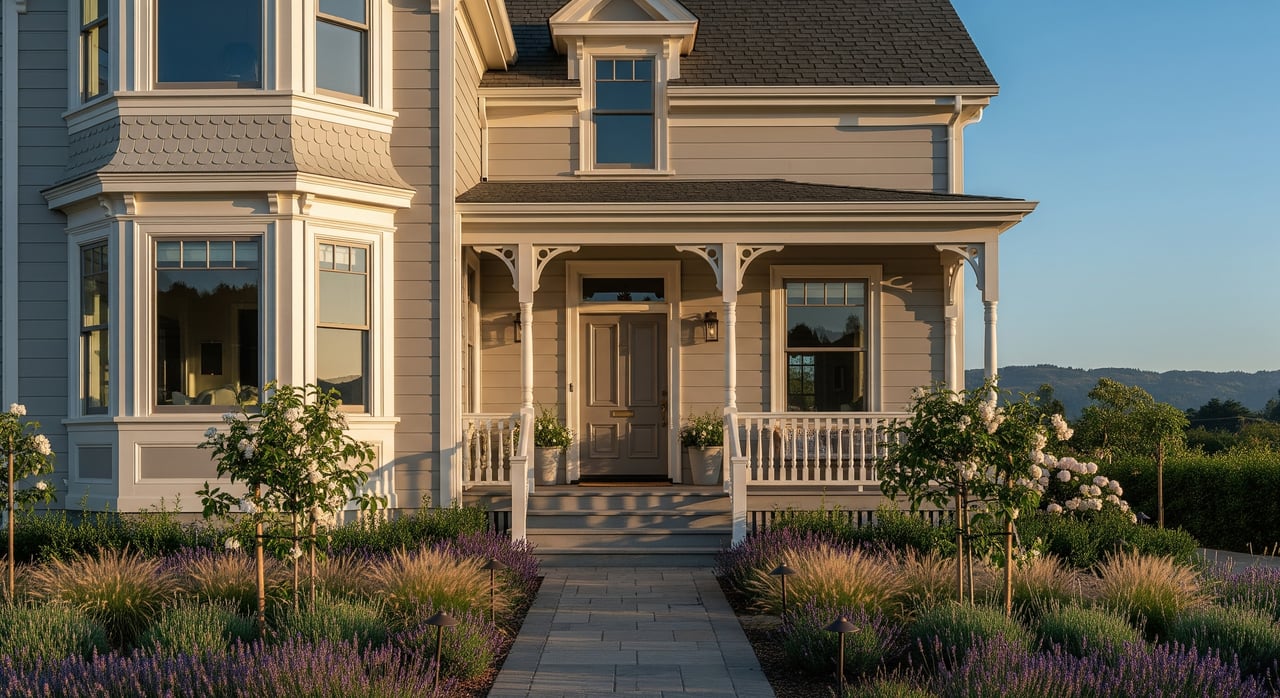
West Petaluma, especially near downtown, has the strongest historic identity in town. The City of Petaluma says the Downtown Historic Commercial District includes 96 contributing buildings across about 23 acres, and the Oakhill-Brewster Historic District includes homes and architecture dating from the 1850s through the 1980s.
If you are drawn to older homes, period details, and established streetscapes, this side will likely stand out right away. The west and downtown core also aligns closely with the city’s planning focus on the historic center and river-adjacent urban form.
What daily life can feel like
For many buyers, the biggest draw on the west side is convenience. City planning documents describe a nearly 400-acre central area next to downtown and the Petaluma River, with a vision for a lively urban environment near the historic core.
In practical terms, that often means easier access to downtown shops, restaurants, and river-adjacent paths. If your ideal weekend includes strolling into town or spending time near the river, West Petaluma usually checks that box more clearly.
What to know about historic homes
Historic character can be a huge plus, but it can also come with extra rules. The city notes that homes in historic districts may face exterior-work review requirements, including for items like paint and windows.
That is not necessarily a drawback, but it is something to understand early. If you love the idea of restoring or updating an older home, you will want to factor in those review requirements as part of your planning.
East Petaluma: Newer and Growing
East Petaluma tells a different story. Around McDowell and Petaluma North, the city is actively planning for growth, and recent outreach materials describe that broader planning area as about 1,100 acres.
This side of town is where you are more likely to see newer housing product and larger planned development patterns. The city points to projects like Meridian at Petaluma North Station, with 131 affordable and supportive homes on 5.3 acres, and Creekwood, which would add 59 condominium dwellings on a 5.2-acre site.
What daily life can feel like
East Petaluma can make sense if you want a home in a part of town that is still evolving. Rather than a historic core, the feel here is more tied to planned growth, transportation access, and newer development.
For some buyers, that means a little less old-town charm but more of what they want in layout, condition, or overall value. If you prefer the idea of newer construction or a community shaped by current planning, East Petaluma deserves a close look.
Transit matters more here than some buyers expect
The east side is not just a suburban extension. Petaluma North station at 320 Corona Road is served by Petaluma Transit and Sonoma County Transit, and Redwood Bikeshare is available there as well.
That makes East Petaluma an important transit node, especially for buyers who want options beyond driving. If being near a station area matters to you, the east side may offer more alignment with that goal.
Price Differences to Expect
Price is often one of the clearest practical differences between the two sides. Current Zillow market data shows a citywide average home value of $907,304 and a median sale price of $938,333 in Petaluma.
Using ZIP codes as a rough proxy, 94952 is listed at $1,075,324 while 94954 is listed at $838,005. The broad takeaway is that west and downtown areas usually carry a premium for historic character and walkability, while the east side more often offers a lower average entry point.
That said, every property is its own case. Condition, lot size, updates, location within the neighborhood, and housing type can all shift the value picture quickly.
Walkability and Downtown Access
If walkability is high on your list, West Petaluma usually has the edge. The city’s Downtown Housing and Economic Opportunity Overlay encourages walkable, transit-friendly development close to the SMART station, and city trail planning also supports pedestrian access near the river.
The River Trail is intended to let pedestrians enjoy the river from end to end, although it is not fully complete. Lynch Creek Trail also offers a convenient way to move between west and east without relying on car traffic.
Who tends to prefer the west side
You may lean west if you want:
- Older homes with character
- Quicker access to downtown
- River-adjacent paths and central amenities
- A more walkable daily routine
- An established historic setting
For buyers who want to feel plugged into the heart of Petaluma, the west side often feels more immediate and complete.
Commuting and Getting Around Town
Commute patterns matter more in Petaluma than many buyers expect, especially if you cross town often. The Downtown SMART station at 220 Lakeville Street sits next to the Petaluma Transit Mall and is served by Golden Gate Transit, Sonoma County Transit, Petaluma Transit, and the free LumaGo shuttle.
For San Francisco commuters, Golden Gate Transit Route 172 provides weekday service between Petaluma and San Francisco, with stops at the Petaluma Fairgrounds Park & Ride during rush hours. That gives some buyers another reason to think carefully about which side of town supports their schedule best.
East-west driving is still a factor
The city is working on the Rainier Crosstown Connector, which would add another east-west route over the river and SMART tracks. Right now, the city says there is currently no through connection.
That matters because your daily drive may feel different depending on where you work, where you shop, and how often you cross town. If your routine requires frequent east-west travel, it is smart to test those routes during real traffic times before you commit.
How to Choose the Right Side for You
If you are deciding between West and East Petaluma, start with lifestyle before square footage. The right choice usually becomes clearer when you think about how you want your mornings, evenings, and weekends to work.
Here is a simple way to frame it:
Choose West Petaluma if you want
- Historic homes and established architecture
- Immediate downtown access
- Stronger walkability
- Closer connection to the river and historic core
- A neighborhood feel shaped by preservation and older streetscapes
Choose East Petaluma if you want
- Newer housing options
- A more planned growth environment
- Transit-oriented areas near Petaluma North
- A lower average price point on a broad market basis
- A side of town that is still developing and changing
A Smart Next Step Before You Tour
Before you start touring, it helps to narrow your search by your top three priorities. For example, you might rank walkability, home age, and commute first, or you might care more about budget, layout, and future growth.
Once you know your priorities, the choice between west and east becomes much less abstract. Instead of comparing all of Petaluma at once, you can focus on the streets, home styles, and price ranges that fit your real life.
Whether you are drawn to the charm of the west side or the growth and value story on the east side, a local strategy makes a big difference. If you want help comparing neighborhoods, timing your search, or finding the right fit in Petaluma, connect with Hilary Thomas.
FAQs
What is the main difference between West and East Petaluma for homebuyers?
- West Petaluma is generally known for historic character, downtown access, and walkability, while East Petaluma is more associated with newer development, transit-oriented growth, and a lower average price point.
Is West Petaluma more expensive than East Petaluma?
- On a broad ZIP-code basis, current market data shows 94952 above 94954 on average, which suggests West Petaluma and the established core often carry a price premium.
Is East Petaluma a good option for buyers who want newer homes?
- Yes. East Petaluma is the side of town most closely tied to newer development and active planning around areas like McDowell and Petaluma North.
What should buyers know about historic homes in West Petaluma?
- Homes in historic districts may be subject to city exterior-work review requirements, including for changes such as paint and windows.
Which side of Petaluma is better for commuting?
- That depends on your route, but both sides connect to useful transit options. Downtown has the SMART station and Transit Mall connections, while East Petaluma has the Petaluma North station area with bus service and bikeshare.
Is West Petaluma more walkable than East Petaluma?
- In general, yes. City planning documents support the idea that west and downtown areas offer stronger walk-to-downtown and river-adjacent access, while East Petaluma’s walkability is still more of a work in progress.