Thinking about selling your Petaluma home but not sure when to list? Timing can shape your days on market, your final price, and how stressful the process feels. You want clarity you can act on, not guesswork. In this guide, you’ll learn how seasonality plays out in Petaluma, what local factors can shift the calendar, which metrics to watch, and how to plan your prep in 3 to 9 months. Let’s dive in.
How seasonality works in Petaluma
Petaluma typically follows a familiar rhythm. Buyer activity rises in spring and early summer, stays steady into late summer and early fall, and slows in winter. That pattern affects showings, days on market, and pricing power.
Spring to early summer
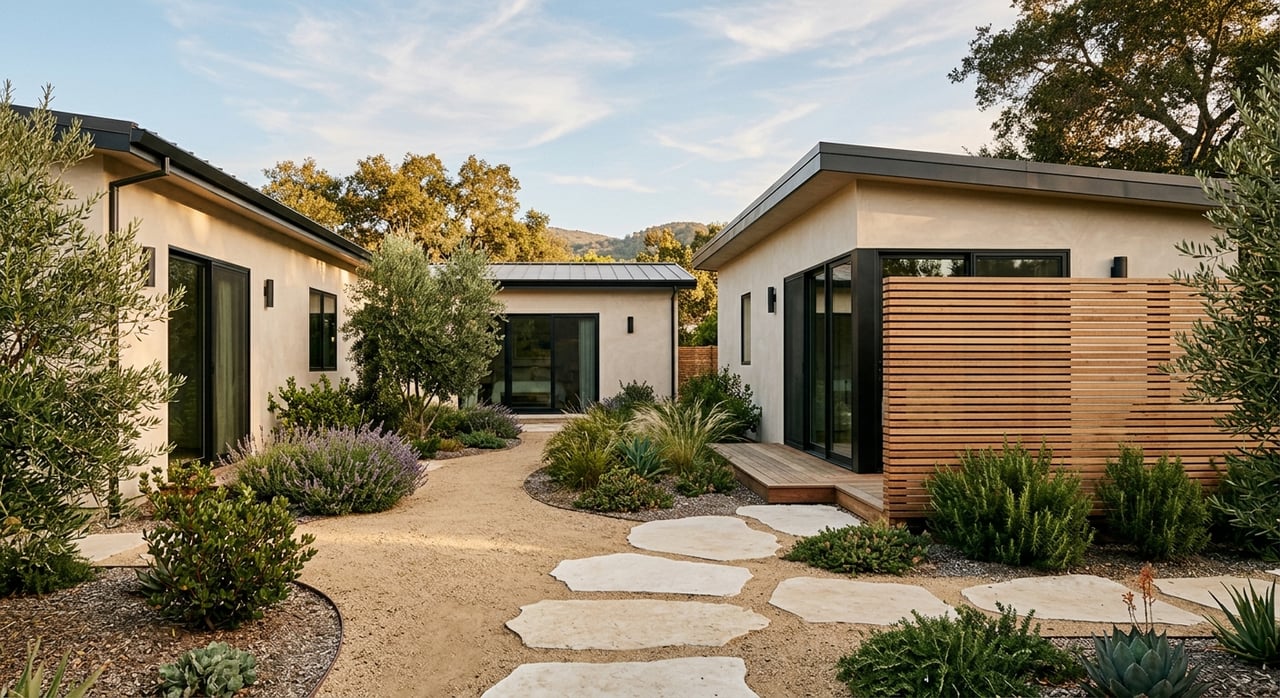
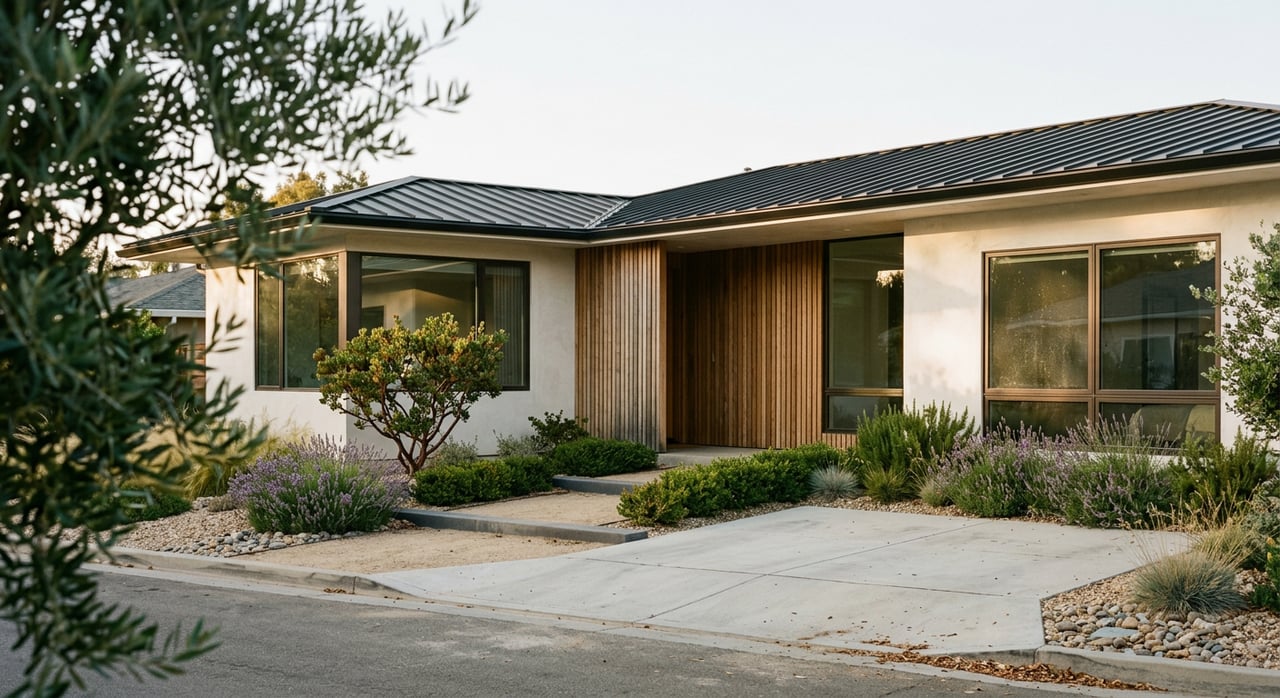
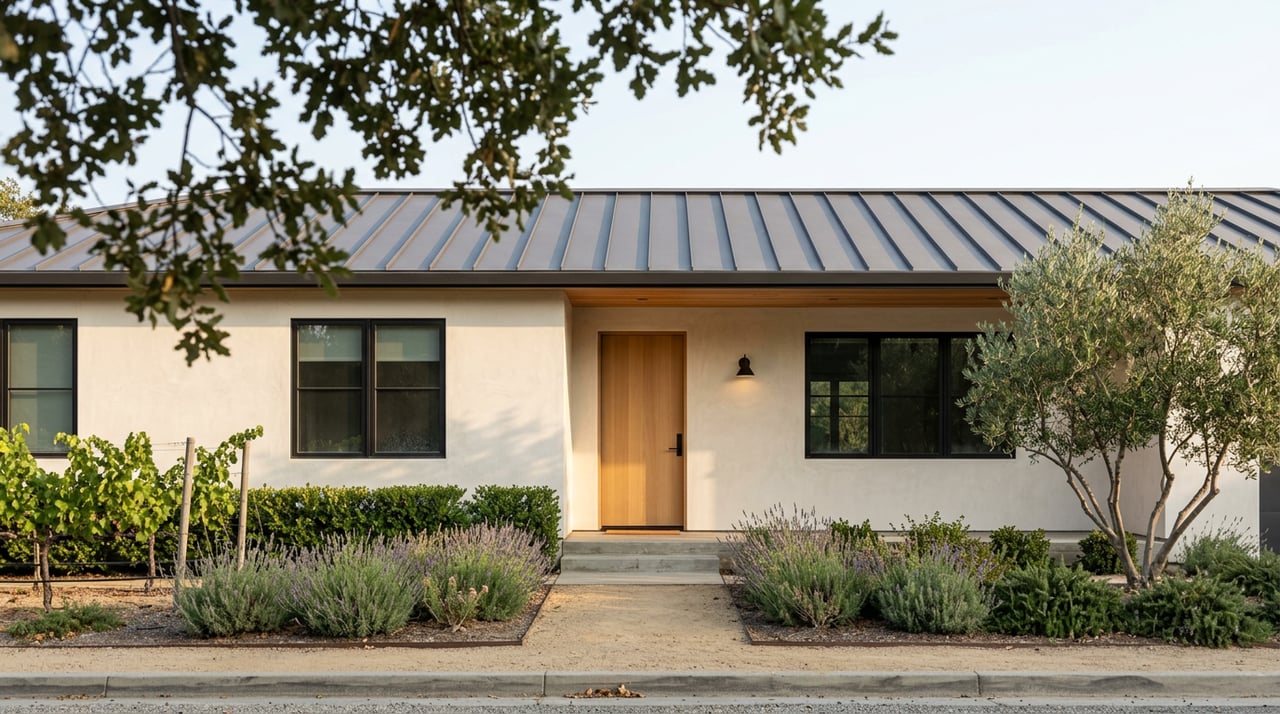
Spring tends to bring more listings and more buyers. Well-prepared homes often see strong interest and shorter days on market. Curb appeal and natural light help your photos and in-person showings.
Late summer and fall
Activity can remain solid, especially for families aiming to move around the school calendar. Inventory and buyer urgency vary by year, so watch current local data before locking in your date.
Winter and holidays
Showings slow in late fall and winter, and average days on market can rise. Still, buyers who are active in winter are often serious, like job relocations or life-driven moves. With the right price and presentation, winter sales can be successful.
Local factors that shift the calendar
Even with seasonal norms, local dynamics can change the “best” time in a given year.
- Mortgage rates and affordability. Rate changes can expand or shrink the buyer pool fast. When rates drop, demand can spike. When they rise, activity can cool.
- Inventory and competition. Low inventory with steady demand can lift prices and speed up sales. High inventory may require sharper pricing and standout marketing.
- Bay Area employment and commuting. Petaluma attracts commuters and relocators. Hiring cycles and relocation trends can drive demand in any season.
- Flood and wildfire considerations. Some areas near the Petaluma River may be in FEMA floodplains, and parts of Sonoma County have wildfire exposure. Be ready with disclosures, insurance details, and any mitigation steps you have taken.
- Permits and unpermitted work. Clearing open permits or addressing unpermitted upgrades before listing can prevent delays once you accept an offer.
What to check 1–3 months before listing
Focus on current, local data to finalize timing. Review:
- Active inventory and new listings by your price band.
- Pending sales and months of supply to gauge market balance.
- Median and list prices, plus the last 30–90 days of neighborhood comps.
- Average and median days on market trends.
- Sale-to-list price ratios and price reductions.
Also track macro signals such as mortgage rates and local employment news. Confirm your required disclosures, any natural hazard zones, insurance availability, and permit status. Recent Sonoma County Association of REALTORS, local MLS, and statewide analyses can help you and your agent read the market with precision.
A simple timing framework
Use this step-by-step plan to choose the right window and strategy for your goals.
Step A: Define your priority
- Maximize price. Favor listing during high-demand months, typically late spring into early summer, and allow time to prep.
- Speed and certainty. If a quick sale matters most, price competitively and focus on the most active current window. This can be any season if demand is strong.
- Convenience. Time your move around life events, even if that means small trade-offs on price or days on market.
Step B: Check market signals 6–8 weeks out
- If inventory is rising and days on market are trending up, consider adjusting pricing or shifting to a lower-competition month.
- If rates dip and demand jumps, move sooner to catch the momentum.
Step C: Match prep to your target window
- Spring listing. Start prep 3–6 months in advance for the best curb appeal and marketing.
- Summer or fall listing. Use the extra time for impactful updates and staging.
Step D: Tune your tactics by season
- Slower season. Emphasize price positioning, strong interior photos, and virtual tours to reach motivated buyers.
- Peak season. Invest in curb appeal, flexible showings, and a buyer-competitive price to attract multiple offers.
Prep timeline: 3 to 9 months
Choose the path that fits your home’s condition and your goals.
9 months: major renovation path
- Scope and budget larger projects like kitchen or bath updates and structural repairs.
- Hire contractor or designer, secure permits, and complete work.
- Finish with exterior refresh, deep clean, and landscaping so your home shines by listing day.
6 months: moderate updates path
- Complete cosmetic improvements like paint and flooring, plus systems checks.
- Resolve any permit items and plan staging.
- Tidy exterior touches, such as a front door refresh and pressure washing.
3 months: light prep path
- Declutter, handle minor repairs, deep clean, and schedule professional photography.
- Finish a landscaping refresh and staging.
- Align pricing strategy and launch plan with your agent.
Detailed checklist
9–6 months before listing
- Order a comparative market analysis to clarify likely price bands and buyer profiles.
- Consider a pre-listing inspection to uncover major issues early.
- Get bids for repairs or updates and begin permit work if needed.
- Confirm insurance status and gather flood or wildfire documents for disclosures.
6–3 months before listing
- Complete major repairs and confirm final inspections.
- Declutter and depersonalize; begin staging plan.
- Boost curb appeal: trim landscaping, fresh paint touch-ups, clean windows, and repair fencing.
- Gather utility records, HOA documents if applicable, and prepare disclosures.
8–6 weeks before listing
- Schedule professional photos and, if helpful, a floor plan and virtual tour.
- Finalize pricing strategy with your agent based on current comps and inventory.
- Create neighborhood highlights that showcase downtown access, commuter routes, parks, and local amenities.
2–4 weeks before listing
- Complete touch-ups, finalize staging, and set showing logistics.
- Confirm open house plans and your availability windows.
- Prepare a buyer packet with disclosures, permits, and any warranties.
Listing week
- Launch on the MLS with high-quality photos and marketing assets.
- Monitor showing feedback in the first 7–10 days and adjust quickly if needed.
After launch
- Review offers using recent comps and current market signals.
- Negotiate timelines and contingencies to balance price, certainty, and risk.
Petaluma marketing tips by season
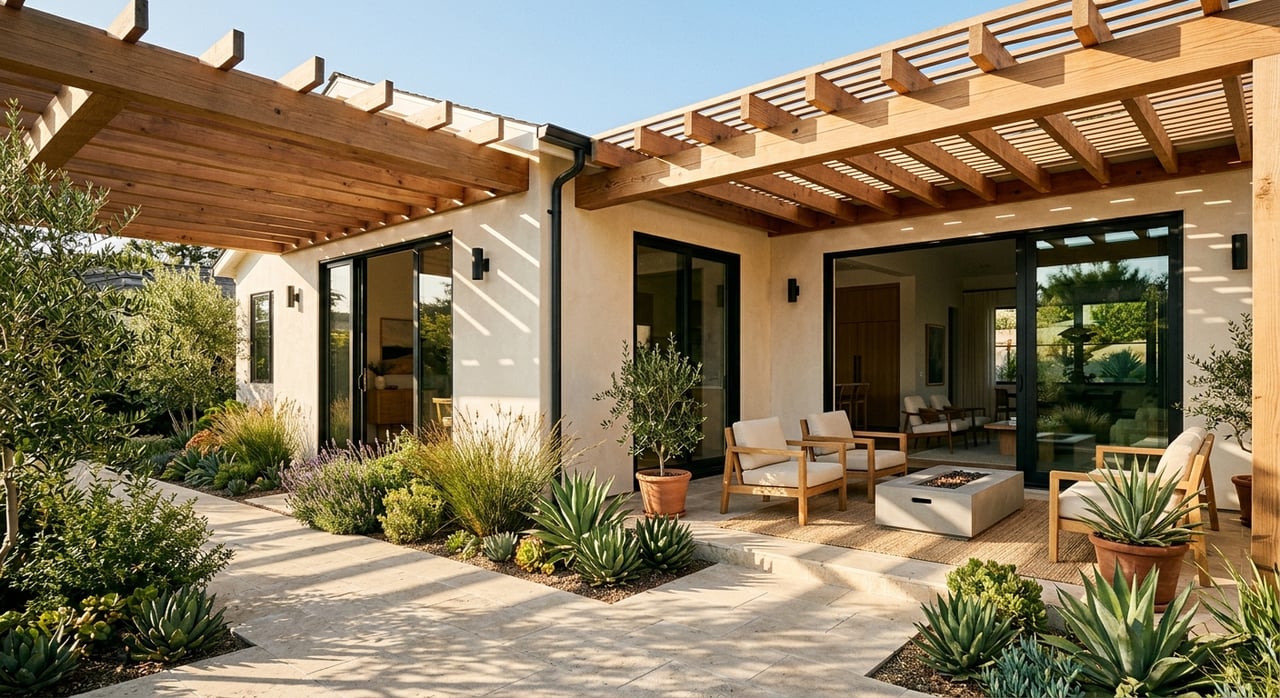
- Spring and summer. Lean into curb appeal, outdoor spaces, and lifestyle photography. Highlight weekend farmers’ markets, river access, and downtown dining.
- Fall. Emphasize warm interiors, flexible closing timelines, and move-in readiness before winter.
- Winter. Focus on interior comfort, energy efficiency, natural light, and virtual tours to help buyers envision the home year-round.
When spring is not ideal
There are good reasons to sell outside the spring surge. If your next-home timeline is fixed, if major repairs will show better after completion, or if inventory in your price band is unusually low in another season, you could benefit from listing sooner or later than typical. The best choice is the one that fits your priorities and the current data.
Work with a strategic local advisor
You deserve a plan that fits your home and your life. With high-touch guidance, modern marketing, and tools like Compass Concierge and Bridge Loans, you can maximize value while reducing friction. If you want a custom timing plan grounded in current Petaluma data and your goals, let’s connect.
Ready to map out your best listing window? Reach out to Hilary Thomas to get a local, data-informed strategy and a clear prep plan. Let’s find your Sonoma home.
FAQs
What is generally the best month to sell a home in Petaluma?
- Spring through early summer often brings more buyers and faster sales, but you should confirm with current local inventory, days on market, and rate trends before choosing.
How do mortgage rates affect the best time to sell?
- When rates drop, buyer demand and purchasing power can rise, which may favor listing sooner; when rates increase, expect fewer showings and plan pricing and presentation accordingly.
Do I need to wait until spring to get a good price?
- Not always; strong results are possible in any season if inventory is low for your price band and your home is priced and presented well.
How far in advance should I start preparing my Petaluma home?
- Start 3 to 6 months ahead for most homes, and 9 months if you plan bigger updates that need bids, permits, and inspections.
How do flood or wildfire factors impact timing and price?
- These can influence buyer due diligence, insurance, and disclosures; address documentation early and highlight any mitigation steps to support buyer confidence.