Buying your first home in Sonoma County can feel exciting and a little overwhelming. You are weighing neighborhoods, numbers, and timing while trying to learn a brand-new process. This guide breaks everything down into plain steps tailored to Sonoma, so you know what to expect from first tour to closing day. You will leave with a clear plan, local norms, and a checklist you can use right away. Let’s dive in.
How the Sonoma market works
Sonoma County is often more affordable than Marin or Silicon Valley, yet still competitive in popular wine-country towns and commute corridors. City centers and sought-after neighborhoods can see multiple offers, while rural or outskirts properties may spend more days on market. Your strategy may shift by area, so build flexibility into timing, contingencies, and earnest money.
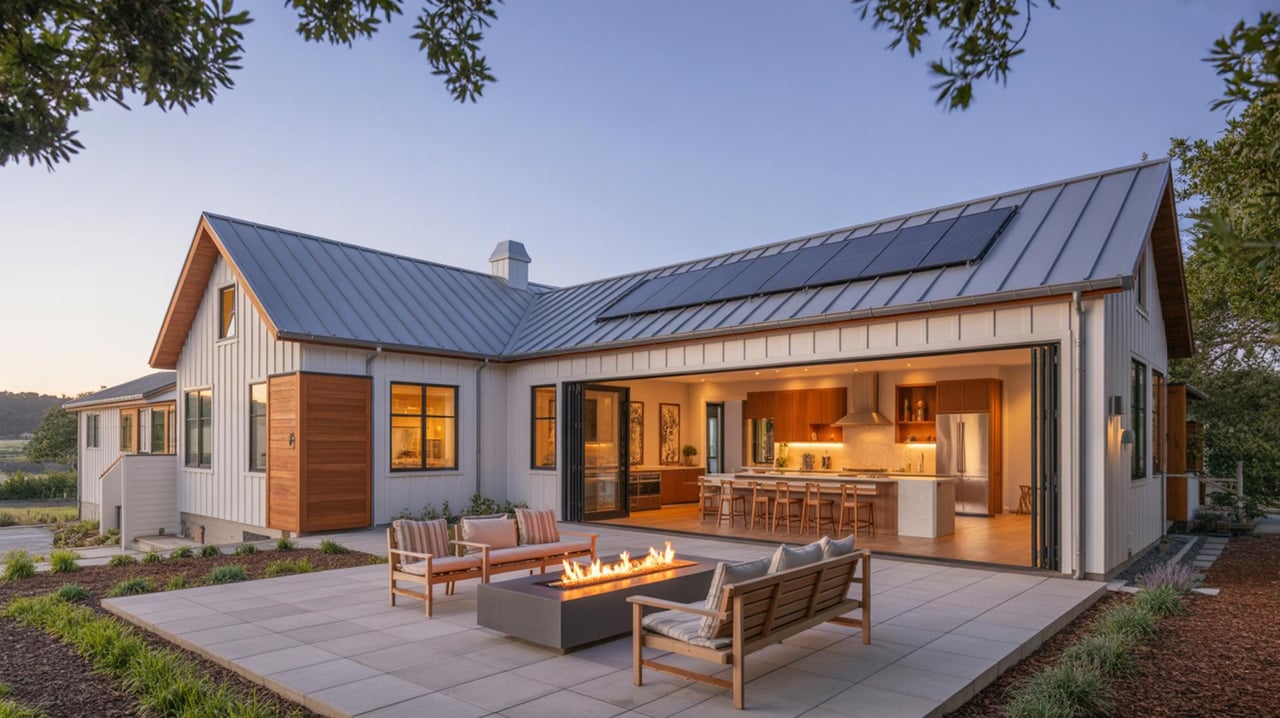
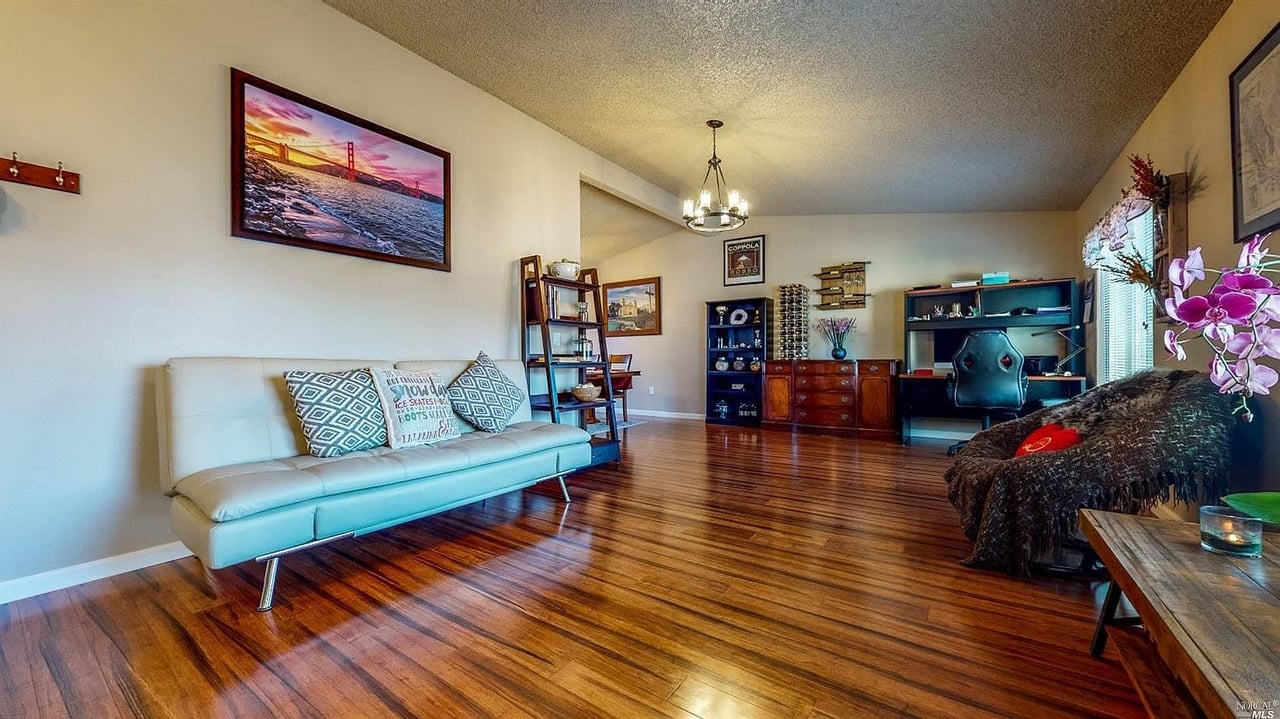
You will see a wide mix of homes: established single-family properties, newer small-lot subdivisions, condos and townhomes near downtowns, and rural parcels that may have wells or septic systems. New construction exists but is a smaller slice of inventory than in bigger metros. Track current market stats through local association reports and align expectations with the latest conditions.
Costs to budget for in Sonoma
- Property taxes: California’s Prop 13 sets a base near 1% of assessed value, plus voter-approved assessments or special taxes. Some neighborhoods include Mello-Roos or community facilities districts that add to the total tax rate.
- Insurance: Wildfire exposure can affect premiums and availability. Pricing and carriers vary by property location and mitigation features. Review hazard maps early using the Cal Fire Fire Hazard Severity Zones.
- Recurring costs: HOA dues if applicable, well or septic maintenance for rural homes, utilities, and possible water-district charges. Ask for recent utility averages and any HOA budgets or special assessments.
Step-by-step buying process
1) Prepare your finances and plan (1–6+ weeks)
Get a written mortgage preapproval, not just a prequalification. A preapproval verifies income, assets, and credit, and gives sellers confidence you can close. Save for your down payment, closing costs, and earnest money. Closing costs often total about 2–5% of the purchase price depending on loan type and who pays which fees.
Build a workable monthly budget. Include mortgage principal and interest, property taxes, homeowners insurance, HOA dues if any, and a maintenance reserve. Many buyers set aside 1–3% of home value per year for upkeep. Research local factors like commute, wildfire risk, and whether a property is on public utilities or well and septic.
2) Tour homes with intent
Bring your preapproval and a clear list of must-haves versus nice-to-haves. Ask your agent to gather seller disclosures and permit history early when possible. Check parcel and hazard basics before touring so you focus on fit and feasibility. If a condo or townhome is on your list, preview HOA fees, rules, and reserve health.
3) Make a strong, safe offer
Your offer includes price, proposed closing date, earnest money, contingencies, and any seller credits. In Bay Area markets, earnest money commonly ranges around 1–3% of the purchase price. A larger deposit can show strength but also increases risk if you remove contingencies too soon. Pair confidence with due diligence.
4) Understand contingencies and timelines
Common contingencies cover loan approval, appraisal, general home inspection, and wood-destroying pest inspection. In California, many contracts reference about 10–17 days for initial inspections and loan or appraisal items. In competitive situations, sellers often prefer shorter timelines. Your agent can help right-size these windows so you stay protected.
If the appraisal comes in low and you are not covering the gap, you may renegotiate or cancel if you kept the appraisal contingency. Align appraisal expectations with recent comparable sales before you offer.
5) Escrow and closing (about 30–45 days)
Escrow is handled by an independent company that coordinates title, funds, and documents. Who pays which title and escrow fees can vary by contract and local custom. Expect a final walkthrough 24–72 hours before closing to confirm condition and agreed repairs. For a simple overview of the closing process and buyer protections, review the CFPB guide to closing on a home.
Inspections and disclosures in Sonoma
Inspections to consider
- General home inspection to evaluate structure, roof, plumbing, electrical, and HVAC.
- Wood-destroying organism inspection, commonly required by lenders in California.
- Sewer lateral or sewer condition checks where municipal rules apply.
- Well and septic inspections for rural properties. Permit, pump tests, and transfer requirements are overseen locally by Permit Sonoma.
- Wildfire and defensible space assessments to understand mitigation and insurance implications.
- Specialty inspections as needed: roof certification, chimney, pool or spa, mold, lead-based paint for pre-1978 homes, and asbestos where materials suggest it.
Disclosures you will review
Expect a Transfer Disclosure Statement from the seller, a Natural Hazard Disclosure that covers flood, seismic, and wildfire zones, and a lead-based paint disclosure for homes built before 1978. If there is an HOA, you will receive CC&Rs, rules, budgets, and any special assessment information. Review permits for past work and verify that significant improvements were properly permitted.
Wildfire and insurance planning
Many Sonoma neighborhoods fall within moderate to very high wildfire hazard areas. Use the Cal Fire hazard maps to understand exposure and discuss mitigation steps like defensible space and ember-resistant features. Insurance availability and premiums can vary, so start quotes early and compare several carriers.
Financing and assistance for first-time buyers
Loan types at a glance
- Conventional loans with private mortgage insurance if you put less than 20% down.
- FHA loans with lower down payment and flexible credit standards. See program details via HUD.
- VA loans for eligible service members and veterans with options for 0% down; learn more at VA Home Loans.
- USDA Rural Development loans for eligible rural addresses, sometimes available in parts of Sonoma County. Explore the USDA guaranteed loan program.
Down payment help
State programs through the California Housing Finance Agency can offer down payment assistance, first mortgage options, and education requirements. Program details change periodically. Start with CalHFA’s homebuyer resources and then check city or county housing departments for any local assistance or Mortgage Credit Certificates when available.
Closing costs and credits
Plan for 2–5% of the purchase price in closing costs, depending on lender fees, title and escrow charges, transfer taxes, and recording fees. Buyers typically pay lender-related costs and loan title insurance. Sellers often cover the owner’s title policy and transfer taxes, although this can vary by negotiation. In shifting markets, some buyers receive seller credits, while in hot segments buyers may offer to cover more fees.
Pre-tour checklist
- Get a written mortgage preapproval and keep the letter handy.
- Gather proof of funds for your earnest money and down payment.
- Prioritize your must-haves and nice-to-haves in a simple list.
- Research parcel basics: school attendance zones, flood or wildfire designation, and whether a home is on public utilities or well and septic. Use Permit Sonoma for septic and well context.
- For condos or townhomes, note current HOA fees, reserve status, and rental rules.
- Bring a measuring tool and a note-taking method for room sizes and condition.
- Ask for recent disclosures and permit history before touring if possible.
Common Sonoma scenarios and tips
- Competing in popular areas: Pair a solid preapproval with clean terms and realistic contingency timelines. Keep protection where you need it most, like inspections and appraisal clarity.
- Rural or acreage properties: Build time for well and septic evaluations. Confirm serviceability, permit history, and maintenance plans before you remove contingencies.
- Insurance planning: If the home is in a higher wildfire zone, start insurance quotes early. Mitigation steps can help with eligibility and cost.
Work with a local advocate
The right agent helps you read the market micro-by-micro, craft a safe and compelling offer, and navigate inspections specific to Sonoma. You get clarity at every step, from budgeting and loan options to escrow and final walkthrough. If you want a friendly, high-touch guide with deep neighborhood knowledge, reach out to Hilary Thomas. Let’s find your Sonoma home.
FAQs
How long does escrow take in Sonoma County?
- Most closings take about 30–45 days, depending on loan type, seller needs, and negotiations.
What is a normal earnest money deposit here?
- In many Bay Area markets, buyers commonly offer around 1–3% of the purchase price, though customs vary by situation.
How long do I have to complete inspections?
- In California, initial inspection and loan or appraisal contingencies often fall in the 10–17 day range, subject to negotiation.
Who pays for home inspections?
- Buyers usually pay for the inspections they order, including general and specialty inspections.
What disclosures should I expect as a buyer?
- Typical California disclosures include the Transfer Disclosure Statement, Natural Hazard Disclosure, and lead-based paint disclosure for pre-1978 homes, plus HOA documents when applicable.
Are there first-time buyer programs for Sonoma County?
- Yes. CalHFA offers statewide programs and some cities or the county may run assistance or Mortgage Credit Certificate programs when available.
How does wildfire risk affect buying and insurance?
- Properties in higher hazard zones may face higher premiums or fewer carrier options. Check Cal Fire’s hazard maps and start quotes early.