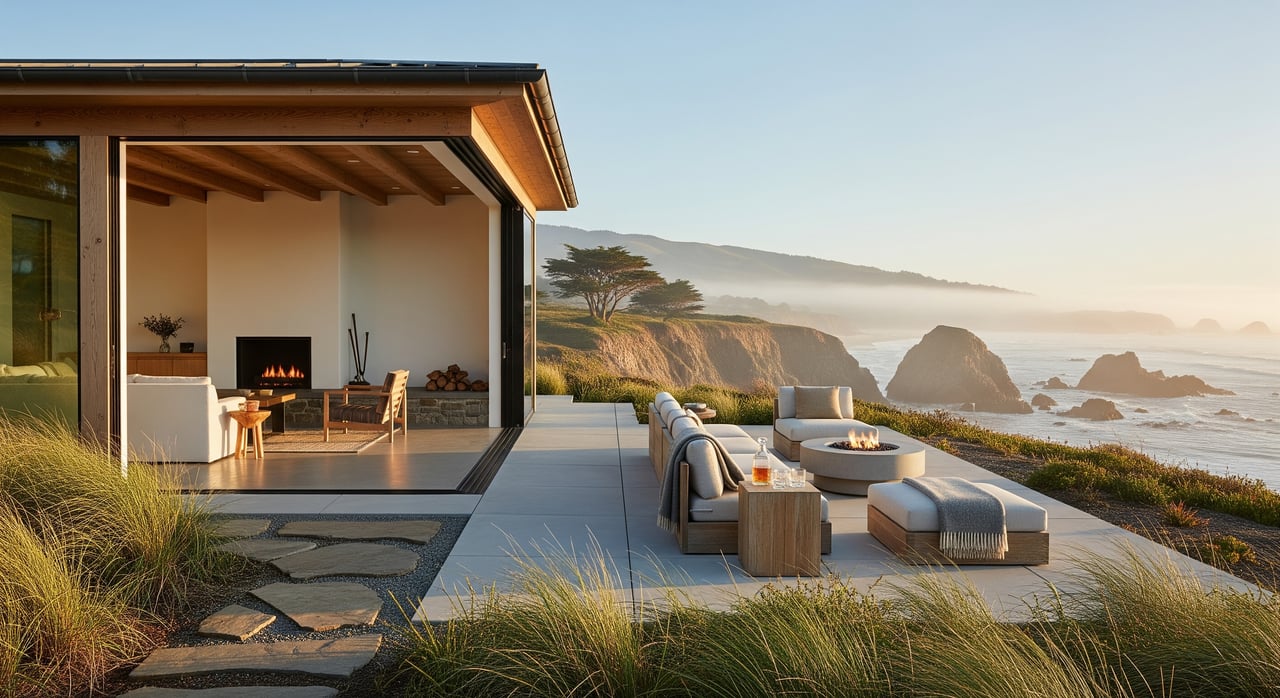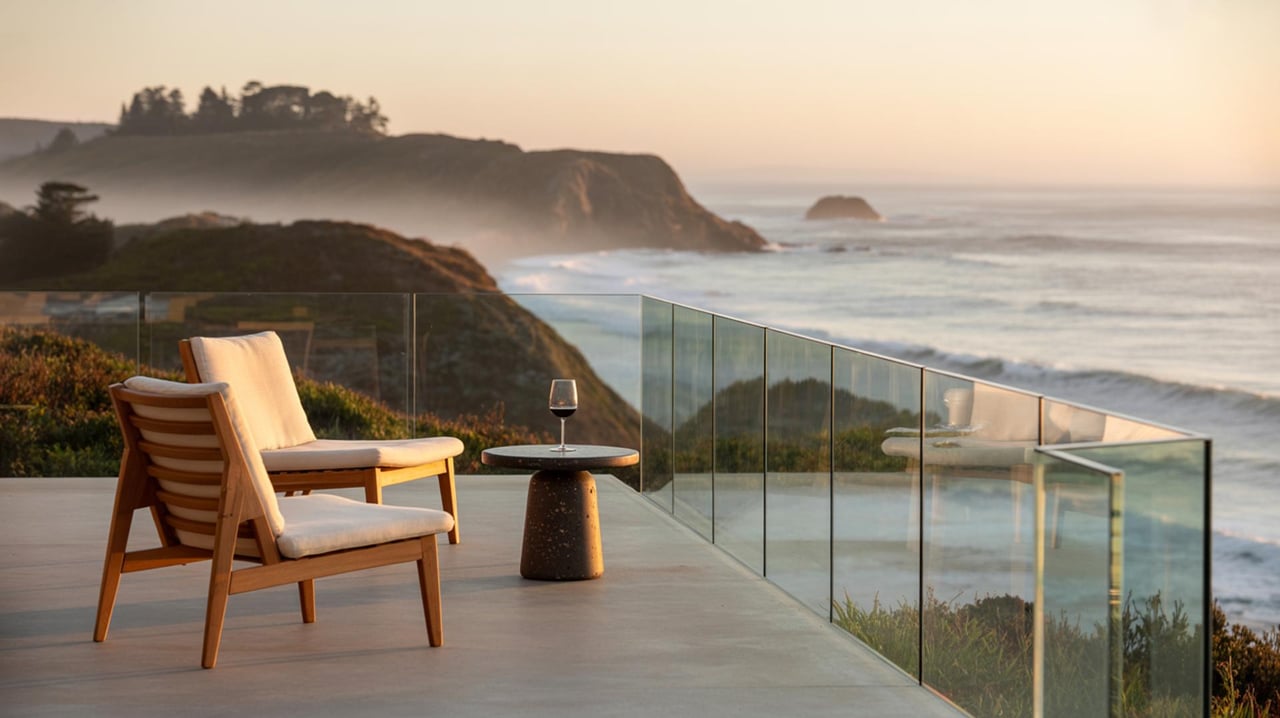
Dreaming about a home near the water? Buying on the Sonoma Coast can be incredible, but it also comes with a very different set of rules, weather patterns, and maintenance needs than an inland purchase. If you are considering Bodega or nearby coastal areas, it helps to go in with clear eyes and a solid checklist. Here is what you should know before you buy, so you can move forward with more confidence.
Sonoma Coast Living Feels Different
The Sonoma Coast is not just a pretty backdrop. It is a daily part of how you live, maintain a home, and plan your time. Sonoma County Regional Parks describes the Sonoma Coast as stretching 58 miles from Bodega Bay to the Gualala River, and Spud Point Marina notes Bodega Bay is about 60 miles northwest of San Francisco and 20 miles west of Santa Rosa.
That location draws many buyers for the scenery, access to the water, and slower pace. At the same time, the coast is a marine environment with regular wind, fog, and seasonal storms. If you are used to inland Sonoma County, the difference can be significant.
Expect Cool Weather and Fog
According to NOAA's Coast Pilot, the coast typically has a rainy season from October through April and a dry season from May through September. Even in the dry season, considerable fog and low cloudiness are common.
Temperatures also stay fairly mild. NOAA says daytime temperatures along the coast are generally in the low to mid 60s, with nighttime lows in the 50s. That can be a big lifestyle plus if you love cooler weather, but it also affects how homes feel, how often you use outdoor spaces, and what kinds of materials hold up best.
Wind Is Part of Everyday Life
On the Sonoma Coast, wind is not just an occasional event. NOAA notes frequent 20 to 30 knot winds in the area, and ocean conditions can shift quickly. For buyers, that means the coastal environment should be treated as a core feature of the property, not a side note.
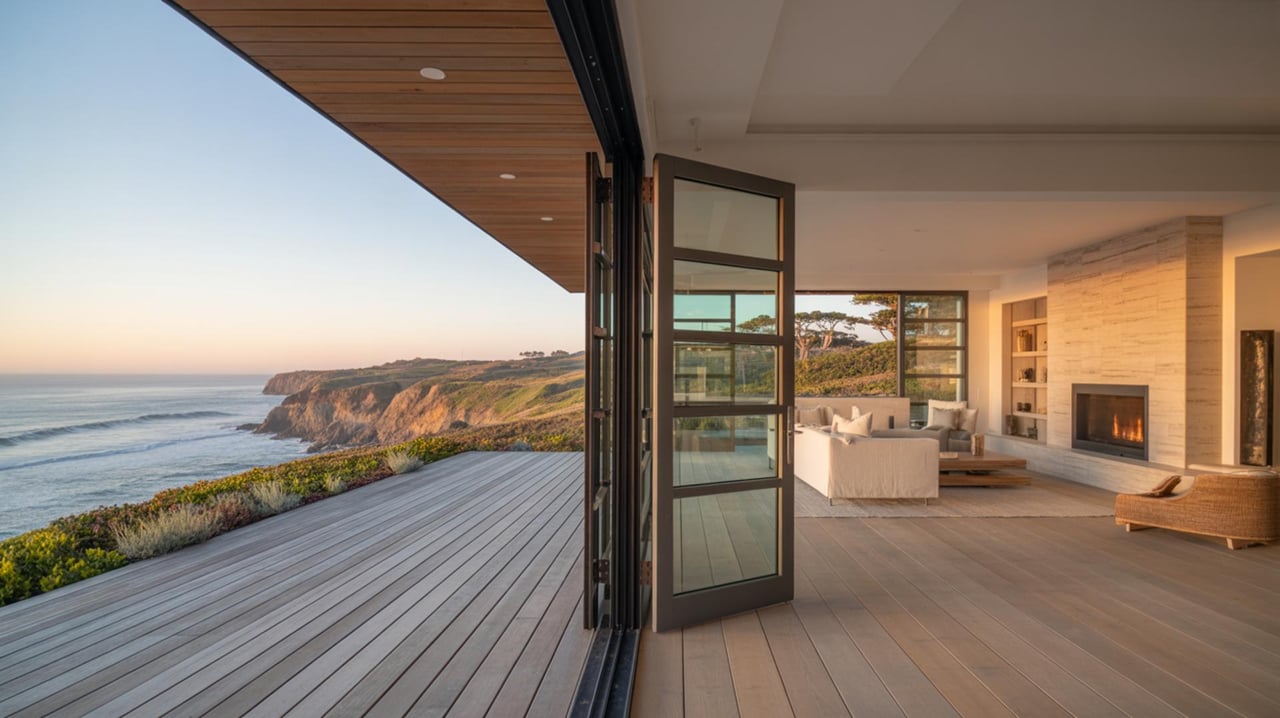
If you are house hunting in Bodega or nearby, pay attention to how a home is oriented, how exposed it feels, and how outdoor decks, railings, and windows have weathered over time. Those details matter here.
Property Rules Can Be More Complex
Buying on the coast often means doing more due diligence before you write an offer. In Bodega and other coastal areas of Sonoma County, zoning, permitting, and utility questions can carry extra weight.
Coastal Permits Matter
Permit Sonoma explains that a Coastal Permit is required for development in the Coastal Zone, and all applications receive public notice. In some established communities, certain residential reviews can be handled administratively, but the coastal plan still governs additions, exterior changes, and new structures.
That is important if you are thinking beyond the existing house. Maybe you want to expand a deck, add square footage, change the exterior, or improve an outbuilding. Before you buy, it is smart to understand what has already been permitted and what future plans may require.
Detached Homes and ADUs Often Come Up
County planning rules for the coastal zone specifically address single-family residences in scenic-resource areas and ADUs. You can review those objective design and development standards through Permit Sonoma.
For you as a buyer, the takeaway is simple: if a property includes an accessory unit, detached improvements, or potential expansion space, make sure you verify what is legal, approved, and feasible.
Septic May Be Part of the Picture
Not every coastal or rural parcel is connected to sewer. Sonoma County reports that more than 36,000 parcels countywide have septic systems, which makes septic a very normal part of the conversation in some areas.
If a home relies on septic, ask about the system age, permit history, maintenance records, and any recent work. This is one of those items that can feel unglamorous, but it is essential to understanding long-term ownership costs and responsibilities.
Everyday Life Has a Seasonal Rhythm
Many buyers picture the Sonoma Coast at its sunniest and most relaxed. That version exists, but daily life here changes with the seasons, visitor patterns, and weather.
Summer Can Be Busy
Doran Regional Park offers a 2-mile beach, more than 120 campsites available year-round, and access for boating and kayaking on Bodega Harbor. The park also notes that its south-facing beach is typically calmer than other parts of the Sonoma Coast, and that it gets busy on holidays and summer weekends.
If you are buying a full-time home or second home, think about how you want to use the area during peak visitor times. A home that feels peaceful in one season may feel very different during a holiday weekend.
Fall May Feel Quieter
Sonoma County Regional Parks has described autumn as an ideal time to visit the Sonoma Coast. For many buyers, that shoulder season offers a better sense of the area's everyday pace.
If possible, visit more than once before you buy. Seeing Bodega in different weather and different seasons can give you a more realistic picture of what ownership will feel like.
Bodega Bay Is Both Working Harbor and Recreation Hub
NOAA describes Bodega Harbor as an important commercial fishing base and, in season, an active sports-fishing and recreation harbor. The area also supports boating, diving, snorkeling, fishing, swimming, kayaking, and wildlife viewing.
That mix is part of the appeal. You get access to recreation and a real working waterfront, not a staged version of coastal life. Nearby access points like Bird Walk Coastal Access Trail also make it easy to enjoy marsh views, birding, and coastal walks close to Bodega Bay.
Storms and Hazards Need Real Attention
A coastal purchase is not just about views. It is also about understanding risk, insurance, and how a property performs over time.
Flood Risk Needs a Separate Review
FEMA states that most homeowners insurance does not cover flood damage. Flood insurance is a separate policy, and buyers should use FEMA's Flood Map Service Center and, when needed, an elevation certificate to understand risk and documentation needs.
This is one of the most important coastal buyer questions to answer early. A property's flood exposure can affect insurance costs, financing, and your comfort level with the purchase.
Sea-Level Rise and Erosion Are Long-Term Factors
Sonoma County's climate resilience planning says rising seas can increase coastal flooding, storm-surge inundation, bluff and coastal erosion, shoreline retreat, saltwater intrusion, and wetland loss or migration. The county also identifies Bodega Bay and Jenner as the Sonoma Coast communities most at risk.
That does not mean every property has the same level of risk. It does mean you should evaluate each home with a long view, especially if proximity to the shoreline is a big part of the value.
Wildfire and Evacuation Planning Still Matter
Even on the coast, wildfire risk does not disappear. Sonoma County provides wildfire prevention resources and defensible space information, and CAL FIRE maps fire hazard severity zones across the county.
You should also know your evacuation route. The Sonoma County Sheriff's Office advises residents to know their evacuation zone, and the county's tsunami planning specifically references Bodega Bay evacuation routes. In short, coastal living comes with more than one kind of emergency planning.
Coastal Homes Need More Upkeep
Salt air and moisture are tough on buildings. A home can look charming from the street and still need a closer look when it comes to materials and maintenance.
Corrosion Is a Real Ownership Cost
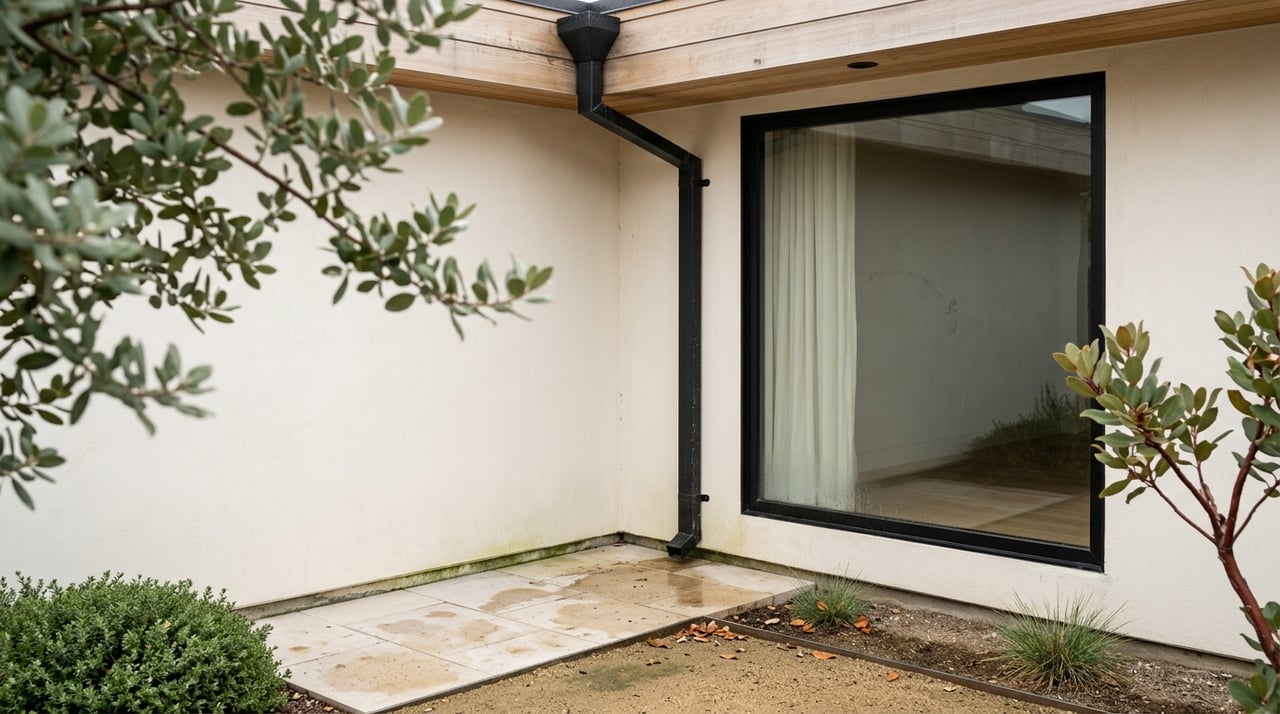
FEMA's coastal construction guidance says exposed metal fasteners can corrode within a few years in coastal areas. It also notes that partially sheltered exposures can stay damp longer and corrode faster.
For you, that means it is worth paying close attention to decks, rails, windows, flashing, exterior fixtures, and hardware. A good inspection matters everywhere, but on the Sonoma Coast it is especially important to look closely at the building envelope and anything exposed to salt air.
Storm Readiness Is Part of Ownership
Sonoma County warns that regional storm events can bring high winds, flash flooding, downed trees, and power outages. That makes practical details important, such as drainage, roof condition, tree management, and your comfort with occasional service interruptions.
A beautiful coastal home should also be a resilient one. The more you understand a property's condition before closing, the fewer surprises you are likely to face later.
Your Coastal Buyer Checklist
Before you make an offer on a Sonoma Coast property, it helps to slow down and verify the basics. A practical checklist includes:
- Confirm the parcel's flood zone
- Check the evacuation zone
- Review coastal permit history
- Verify septic or sewer status
- Research wildfire exposure
- Get insurance quotes early
- Inspect the roof, flashing, siding, decks, and drainage
- Look closely at corrosion-prone fixtures and exterior materials
That kind of diligence can help you compare homes more clearly and avoid buying based on the view alone.
Buying on the Sonoma Coast can be deeply rewarding if you understand what comes with the setting. If you want a guide who knows Sonoma County, can help you ask the right questions early, and can make a complex purchase feel more manageable, connect with Hilary Thomas. Let’s find your Sonoma home.
FAQs
What should you check before buying a home in Bodega?
- Review flood risk, evacuation zone, coastal permit history, septic or sewer status, insurance options, and the condition of weather-exposed features like roofs, decks, flashing, and exterior fixtures.
Do Sonoma Coast homes need flood insurance?
- Possibly. FEMA says most homeowners insurance does not cover flood damage, so you should review the property's flood risk separately and determine whether a separate flood insurance policy may be needed.
Are permits more complicated for Sonoma Coast properties?
- They can be. In the Coastal Zone, Permit Sonoma says development may require a Coastal Permit, and the coastal plan can affect additions, exterior changes, and new structures.
Is septic common in coastal Sonoma County?
- Yes, on some parcels. Sonoma County says more than 36,000 parcels countywide have septic systems, so buyers should verify system age, permits, and maintenance records when a property is not on sewer.
What is the weather like in Bodega and along the Sonoma Coast?
- NOAA reports a rainy season from October through April, a dry season from May through September, frequent fog or low clouds in the dry season, daytime temperatures in the low to mid 60s, and nighttime lows in the 50s.
Are coastal homes in Bodega more expensive to maintain?
- They can be. FEMA notes that salt air and damp coastal conditions can speed corrosion, so items like metal hardware, decks, rails, windows, and flashing may need closer monitoring and upkeep.