Thinking about buying a small investment property in Sonoma County? You are not alone, and you are also not stepping into a simple, one-size-fits-all market. Between high home prices, strong rents, and very different submarkets from Santa Rosa to Petaluma to Sonoma, the best opportunities usually go to buyers who do their homework early. This guide will help you understand what small investment properties can look like here, what to analyze before you buy, and where local details can change the numbers fast. Let’s dive in.
Why Sonoma County Gets Investor Attention
Sonoma County is a high-cost housing market, which is exactly why small investment properties can stand out. The county’s 2025 estimated population is 486,444, with 213,650 housing units, a 62.6% owner-occupied rate, a median household income of $104,674, a median gross rent of $2,158, and a median owner-occupied home value of $815,500.
For you as a buyer, that combination matters. Purchase prices are significant, so even one added rental unit or a well-planned small multi-unit property can meaningfully affect the monthly math. In a market like this, small rentals often work best when you treat them as a carefully selected long-term asset, not a quick or casual purchase.
What Small Investment Properties Look Like Here
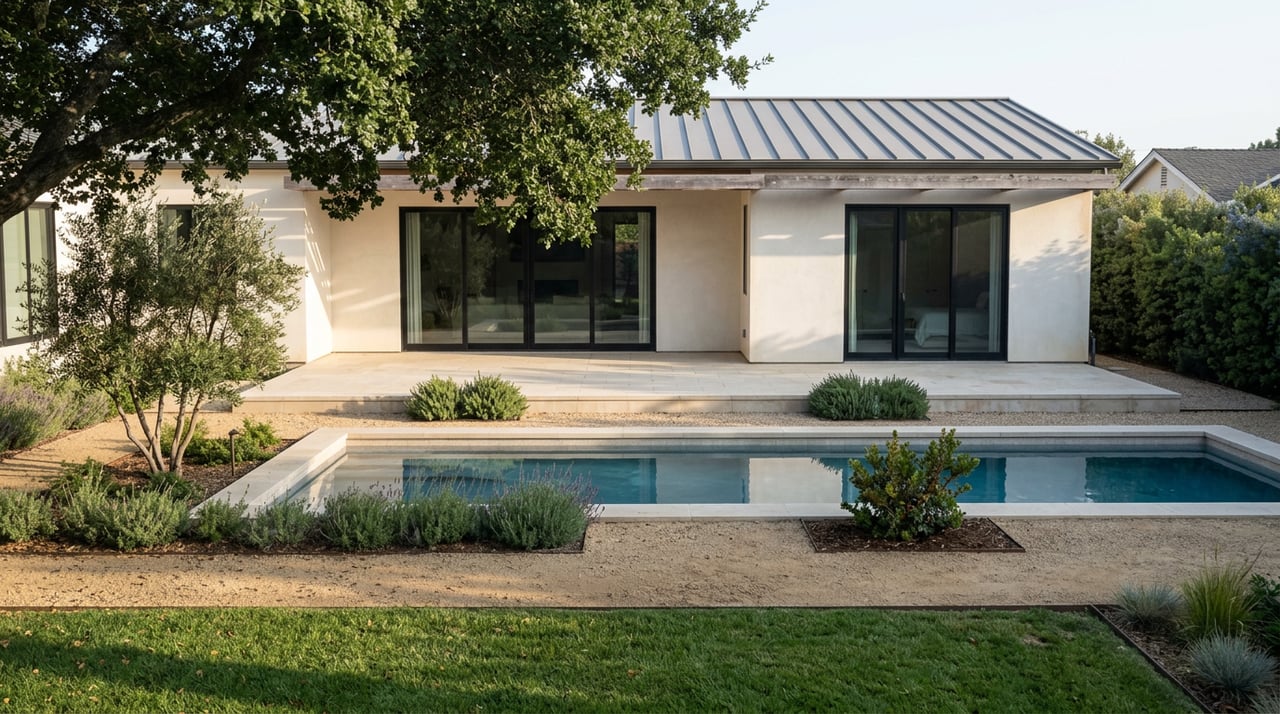
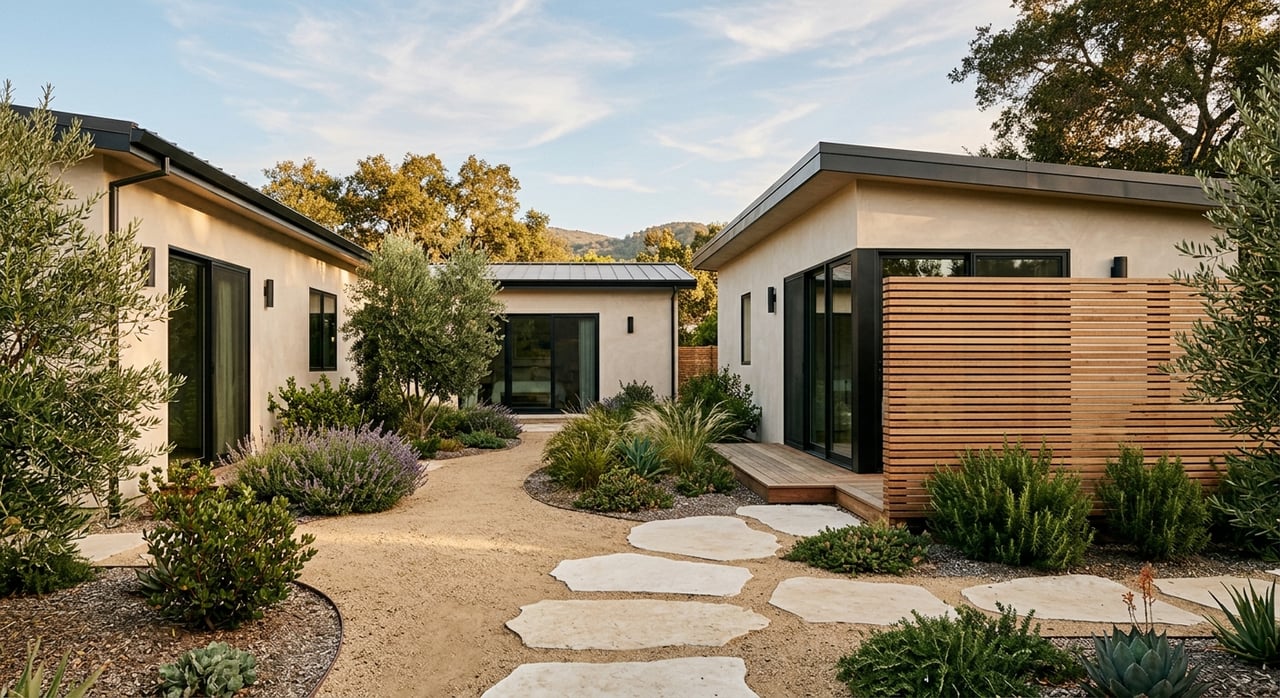
In Sonoma County, many small-investor opportunities are not large apartment buildings. They are often single-family homes with add-on potential, duplexes, triplexes, or properties where an accessory dwelling unit, or ADU, may be part of the strategy.
That local pattern is supported by county housing data. Across the county, 2- to 3-bedroom units make up 68.1% of the housing stock, while 4-bedroom or larger units make up 18.4%. In unincorporated Sonoma County, housing stock declined 4.1% from 2010 to 2020, multifamily growth was limited, and 74% of finaled permits in the prior year were single-family dwellings.
That tells you something important right away. Inventory for small investors exists, but it is often scattered, tied to older homes, infill opportunities, or parcels with room for added use rather than big blocks of purpose-built rental inventory.
ADUs Can Be Part of the Plan
California defines an ADU as a secondary dwelling unit with independent living facilities. ADUs can be detached, attached, or created from converted existing space.
For investors, that creates flexibility, but it also calls for caution. Rules are shaped by state guidance and local standards, and they can change over time. It is smart to treat ADU potential as a possibility that needs verification, not as a guaranteed value boost.
Rural Parcels Need Extra Review
If you are looking outside more urban areas, parcel infrastructure can make or break a deal. In some parts of Sonoma County, well testing, groundwater availability, septic conditions, and prior permit history can all affect whether an ADU or second-unit plan is feasible.
That is a big reason local due diligence matters here. A property that looks promising on paper may face site-specific limits that change the cost, timeline, or even the basic feasibility of your plan.
Why Location Changes the Numbers
Sonoma County does not behave like one single rental market. It acts more like a collection of different submarkets, each with its own pricing, renter demand patterns, and day-to-day lifestyle considerations.
Here is a quick snapshot of a few local markets:
| Area | Population | Median Household Income | Median Home Value | Median Gross Rent |
|---|---|---|---|---|
| Sonoma County | 486,444 | $104,674 | $815,500 | $2,158 |
| Santa Rosa | 179,437 | $99,060 | $713,900 | $2,152 |
| Petaluma | 59,688 | $115,430 | N/A in report | N/A in report |
| Sonoma city | 10,606 | $98,527 | $970,500 | $2,226 |
| Sebastopol | 7,532 | $87,684 | N/A in report | N/A in report |
| Healdsburg | 11,231 | $103,554 | N/A in report | N/A in report |
These numbers help frame your search. Santa Rosa offers scale as the county’s largest city. Petaluma brings a strong median household income and a different commute profile. Sonoma city shows a higher median home value and slightly higher median gross rent than the county overall.
Neighborhood Selection Is Part of Underwriting
When you compare areas, look beyond the county average. Countywide median gross rent is $2,158, but city-level numbers already show variation, and property-level rents can vary even more based on layout, privacy, parking, finish level, and utility setup.
Commute patterns also differ. Mean travel time to work is 25.1 minutes countywide, compared with 22.9 minutes in Santa Rosa and 30.7 minutes in Petaluma. That kind of variation can influence how different properties appeal to renters looking for access to jobs, downtown areas, or major travel routes.
How to Underwrite a Small Property
A good small investment purchase usually starts with simple discipline. Before you get excited about projected upside, make sure the current numbers and realistic local potential support the purchase.
Start With Unit-by-Unit Rent Comps
County and city rent medians are useful for orientation, but they are not enough to price a specific property. A duplex, triplex, or ADU-based setup should be analyzed unit by unit.
Look closely at factors like:
- Bedroom and bathroom count
- Parking availability
- Privacy between units
- Interior condition and finishes
- Utility splits
- Outdoor space
- Proximity to transit, downtown areas, and employment centers
Small properties are sensitive to these details. Two homes with the same address area and square footage can perform very differently as rentals.
Keep Rent Growth Assumptions Conservative
California’s Tenant Protection Act, AB 1482, can limit rent increases and require just cause for terminating many tenancies. Some units are exempt or treated differently based on property type, age, and occupancy.
For you, the practical takeaway is simple: do not build an aggressive rent-growth story into your numbers without verifying how the property is treated. Conservative projections are usually the safer starting point.
Remember Property Taxes Can Change
California property taxes generally include a 1% tax rate plus voter-approved bonded indebtedness. But a change in ownership or completed new construction can trigger reassessment and supplemental tax bills.
That matters even more if your plan includes adding an ADU or converting space after closing. A deal that looks comfortable at first glance can shift if you underestimate future tax costs.
Sonoma County Risk Checks to Do Early
In many markets, buyers focus mostly on purchase price and rent. In Sonoma County, parcel-level constraints deserve just as much attention.
Check Fire, Flood, and Site Conditions
CAL FIRE maps fire hazard severity zones as moderate, high, or very high. Sonoma County GIS tools also track wildfire, flood, groundwater, and septic-related layers.
If you are evaluating a property in a rural or semi-rural area, these checks should happen early. Insurance, development feasibility, and long-term holding costs can all be affected by hazard exposure and site conditions.
Review Permit and Parcel History
County parcel tools and permit records can reveal details that are easy to miss during a quick showing. Existing permits, prior approvals, septic records, and public parcel information can help you understand whether a property’s current use and future potential line up with your goals.
This is especially important when a listing is marketed with phrases like “income potential” or “room to add value.” In Sonoma County, those possibilities need to be supported by the parcel, not just the idea.
A Smart First-Step Strategy
If you are just getting started, the best path is usually to narrow your focus before you shop. Choose one property type, one or two target areas, and one realistic investment plan.
For example, you might focus on:
- A duplex in Santa Rosa with stable existing income
- A single-family home in or near Petaluma with possible ADU potential
- A small property in Sonoma city where purchase price and rent need especially careful balancing
- An older infill property in an established area where updates could improve rental performance
That kind of focus helps you compare deals more clearly. It also keeps you from chasing every listing that sounds promising but does not fit your actual budget or timeline.
Build the Right Local Team
Small investment properties can look straightforward until the details show up. In Sonoma County, zoning context, tenant law, tax reassessment, hazard exposure, and site infrastructure can all affect your outcome.
That is why it makes sense to build your team early. Before you buy or convert a property, consult a lender, CPA, and attorney so your financing, tax assumptions, and legal questions are handled with the right level of care.
Working with a local agent also helps you sort through the gray areas faster. A property might be appealing for its layout, lot, or location, but what matters most is how those features line up with current market demand and real-world feasibility in Sonoma County.
If you are exploring small investment properties in Sonoma County, Hilary Thomas can help you evaluate neighborhoods, compare property types, and find opportunities that make sense for your goals. Let’s find your Sonoma home.
FAQs
What counts as a small investment property in Sonoma County?
- In Sonoma County, small investment properties often include duplexes, triplexes, single-family homes with add-on potential, and properties where an ADU may be feasible.
Are ADUs a good strategy for Sonoma County investment properties?
- ADUs can be a useful strategy, but you should verify current state and local rules plus parcel-specific factors like permits, septic, groundwater, and site conditions before relying on that plan.
How should you estimate rent for a Sonoma County duplex or triplex?
- Start with unit-by-unit rent comps instead of county averages, and compare features like parking, privacy, finishes, utility setup, and location within the local submarket.
Why does location matter so much for Sonoma County rental property?
- Sonoma County includes distinct submarkets such as Santa Rosa, Petaluma, Sonoma, Sebastopol, and Healdsburg, and each area can differ in home values, incomes, rents, and commute patterns.
What legal issues should small investors watch in California?
- California’s Tenant Protection Act may limit rent increases and require just cause for ending some tenancies, so you should verify how a specific property is treated before projecting future income.
What property risks should you check before buying in Sonoma County?
- Review fire hazard zones, flood exposure, groundwater, septic conditions, permit history, and parcel records early, especially for rural or semi-rural properties.